West Fundmere
Why Trading Goes Beyond Chart Watching
Sign Up now
 West Fundmere


Charts may display movement, but they do not fully reveal how decisions are built behind that movement. Trading involves interpreting how capital is positioned, how participation develops, and where interest begins to concentrate. Looking deeper into these elements helps shift focus from surface patterns to the structure that shapes financial activity.
Another angle appears when similar chart formations produce different outcomes. A pattern that worked in one situation may fail in another because surrounding conditions are not the same. Comparing how timing, exposure, and participation interact allows individuals to recognise when a setup reflects alignment rather than coincidence.
A further consideration involves the role of execution and adjustment. Decisions do not end at identification; they continue through how positions are managed over time. Evaluating these steps creates a more connected approach, where trading reflects a process instead of a single observation.
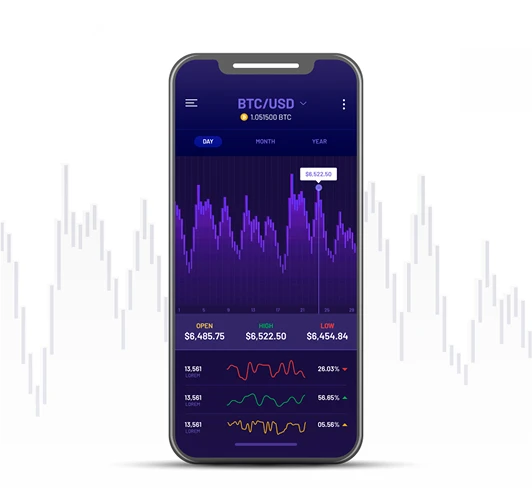
West Fundmere connects individuals with educational firms that focus on how decisions are built step by step rather than taken in isolation. Instead of relying on quick judgement, individuals are introduced to discussions that examine how timing, exposure, and sequencing influence outcomes. This approach supports a clearer decision process, where each action is evaluated within a broader framework instead of being treated as a one off choice.

Portfolio balance plays an important role in maintaining stability across changing conditions. Rather than concentrating capital in one area, individuals examine how different assets contribute to overall direction. This approach helps reduce dependency on a single outcome and supports a more organised structure where each component serves a defined purpose.

Investment decisions often require comparing potential outcomes with the level of exposure involved. Instead of focusing only on returns, individuals begin analysing how much commitment is needed to pursue a specific opportunity. West Fundmere connects individuals with educational firms that discuss how different investment choices carry varying levels of risk, helping individuals evaluate whether a decision aligns with their overall approach.
Investment decisions often change depending on how long capital is committed. Some opportunities may require patience, while others depend on shorter timeframes. West Fundmere supports this understanding by connecting individuals with educational firms that discuss how time affects exposure, adjustment, and overall decision consistency across different conditions.

Investment education supports clearer thinking by encouraging comparison rather than quick acceptance. Instead of treating every input equally, individuals begin analysing how different pieces of information relate to each other. This process helps remove distractions and keeps attention on what contributes to a more complete understanding.
Some signals may appear strong but lose importance when examined more carefully. Education introduces ways to question whether information reflects deeper positioning or only short term influence. This helps individuals avoid overvaluing inputs that do not support consistent decision making.
Exposure to many viewpoints can lead to frequent changes in direction. Education helps individuals organise information within a defined approach, allowing decisions to remain stable even when different opinions appear. This creates a more controlled way to navigate complex environments.
Timing improves when individuals recognise how conditions develop before acting. Some situations build gradually, showing clearer alignment over time. By examining how participation evolves step by step, individuals can avoid acting too early and instead focus on when timing begins to support structured decisions.
Entering before conditions stabilise may lead to uncertainty, while waiting too long can reduce opportunity. By comparing how early and delayed entries behave, individuals begin to understand how timing influences both exposure and decision quality.
Different environments require different timing approaches. Some may reward patience, while others demand quicker action. Analysing how timing shifts across situations helps individuals adapt rather than rely on a single method.
Timing affects how exposure behaves after entry. Well aligned timing can support smoother management, while poor timing may increase the need for adjustments. Evaluating this relationship helps improve overall decision control.
Consistency develops when timing decisions are reviewed across different situations. By comparing past outcomes, individuals refine their approach and create a more repeatable process.
One important signal involves how price reacts after reaching important areas. Strong continuation may suggest sustained participation, while quick rejection can indicate limited commitment. Comparing these reactions helps identify whether a move has depth or is likely to fade.
Another signal appears through movement consistency. When progress becomes uneven or starts losing rhythm, it may reflect weakening alignment. Steady development, on the other hand, often suggests more organised participation.
A further signal comes from how corrections behave. Controlled pullbacks may support continuation, while deeper or irregular corrections can point toward instability. Analysing these differences helps refine decision timing.

Some price movements appear strong at first but fail to maintain direction. When continuation is weak or inconsistent, it may suggest that the move is not supported by stable participation.
Analysing how price behaves after initial movement helps individuals avoid relying on signals that lack depth.
Certain areas often draw attention because many positions are placed there. Price may move beyond these areas briefly before shifting direction. Examining how these levels are approached and left behind helps individuals understand how positioning around them can influence short term movement.
Sharp moves that reverse within a short time frame can indicate imbalance rather than sustained intent. Comparing how these moves behave across different situations helps individuals recognise when a signal may not support continued participation.
Fast movement can create pressure to act without full evaluation. This may lead to decisions based on urgency rather than structure. Recognising this effect helps individuals maintain control during active conditions.
A structured approach involves comparing behaviour across different scenarios before acting. By analysing patterns and responses, individuals can reduce the impact of misleading signals and improve overall decision quality.

Asset correlation explains how different assets move in relation to each other rather than independently. A change in one area may influence another, depending on how capital is distributed. By comparing these relationships, individuals can better understand how signals develop across connected markets.
These relationships do not remain fixed. Some assets may move together during one phase and separate during another as conditions shift. Analysing how these changes occur helps individuals avoid assuming that past relationships will always continue.
Viewing financial signals through correlation adds another layer of clarity. Instead of relying on one asset alone, individuals begin evaluating how multiple areas interact. This helps create a more balanced interpretation before making financial decisions.
West Fundmere connects individuals with educational firms that focus on evaluating financial signals through structured thinking. Instead of treating data as fixed, individuals are introduced to discussions that explore how different elements may influence interpretation.
Short term reactions can sometimes be mistaken for lasting change. By comparing how signals behave over time, individuals begin to recognise when movement reflects temporary influence rather than deeper development.
Another limitation appears when signals are viewed as certain outcomes. Exploring alternative paths helps individuals understand that financial interpretation involves weighing possibilities rather than selecting one conclusion.

West Fundmere provides access to structured financial information rather than relying on individual educators. Instead of presenting one guided viewpoint, individuals are introduced to discussions that explore how financial decisions are formed across different conditions. This supports a broader perspective where information is examined rather than followed.
Another important aspect is that learning is based on interpretation. West Fundmere focuses on presenting how factors such as timing, positioning, and behaviour interact, allowing individuals to analyse these elements without depending on a single source of instruction.
This approach encourages independent evaluation. By engaging with information instead of direct guidance, individuals can compare different perspectives and develop a more flexible understanding of financial decision making.

Experts often point out that preparation plays a key role in how decisions are formed. Acting without understanding may lead to choices that lack structure.
Learning helps individuals connect different elements before committing.
Some opportunities appear strong because they are easy to recognise. Experts encourage analysing what supports the idea rather than relying on its appearance. This helps individuals avoid decisions based only on visibility.
Experts highlight that outcomes depend on how well a decision fits the surrounding environment. By examining how conditions influence results, individuals can better align their approach.
Short term signals may attract attention, yet experts emphasise comparing them with wider context. This helps individuals avoid placing too much weight on immediate movement.
Experts stress learning because it supports clearer judgement. By analysing decisions from multiple angles, individuals can approach investing with more structure and confidence.
West Fundmere connects individuals with educational firms that encourage evaluating decisions across a range of possible outcomes. Instead of relying on one projected result, individuals compare how a decision may perform under different conditions.
This supports a more structured process where choices are examined from multiple angles before being finalised.
| 🤖 Registration Fee | Zero cost to register |
| 💰 Administrative Fees | Fee-free service |
| 📋 Enrollment Ease | Simple, quick setup |
| 📊 Study Focus | Insights into Digital Currencies, Forex, and Investment Funds |
| 🌎 Country Availability | Available in nearly every country except the US |